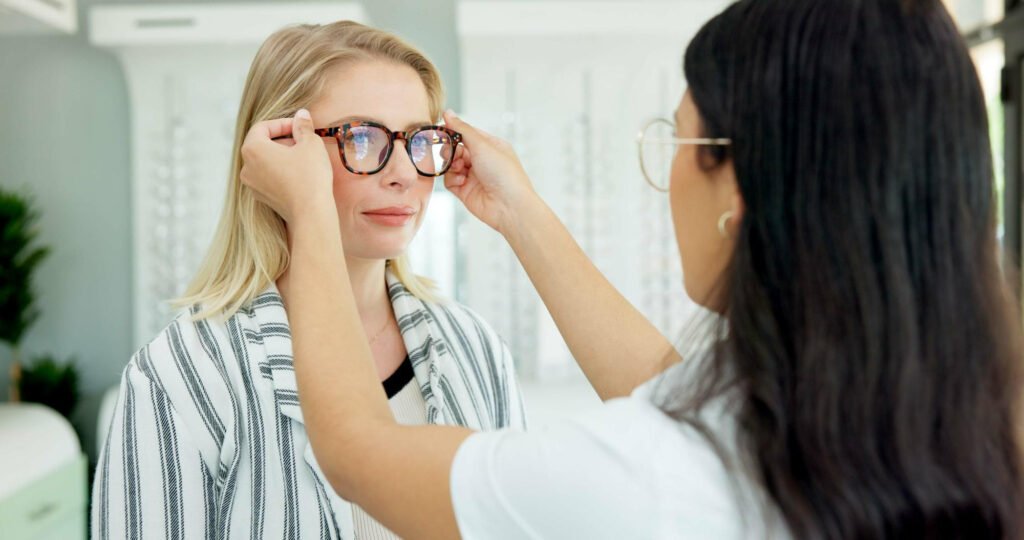
What is Presbyopia?

​Around the age of 40, many people begin to notice that reading menus, using a smartphone, or seeing fine details up close becomes a challenge. This is Presbyopia—a natural, age-related change where the eye’s crystalline lens loses its flexibility, making it harder to focus on nearby objects.

​It’s not a disease; it’s a milestone. At Vision Plus Opticals, we specialize in “PresbyoLab” solutions that restore your “zoom” and let you see the world clearly at every distance.

Why Choose Vision Plus?

The Seamless Solution for All Distances

​What are Progressive Lenses?

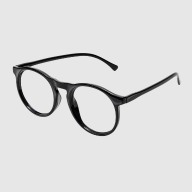
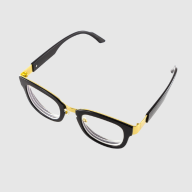
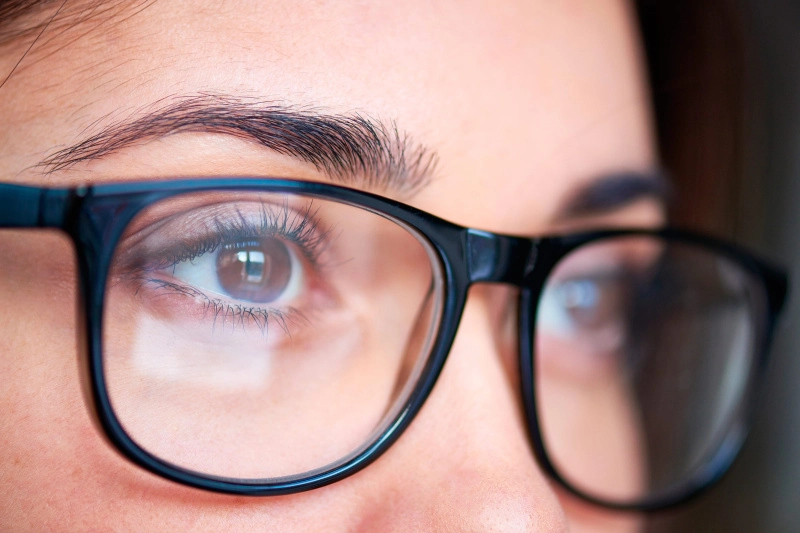
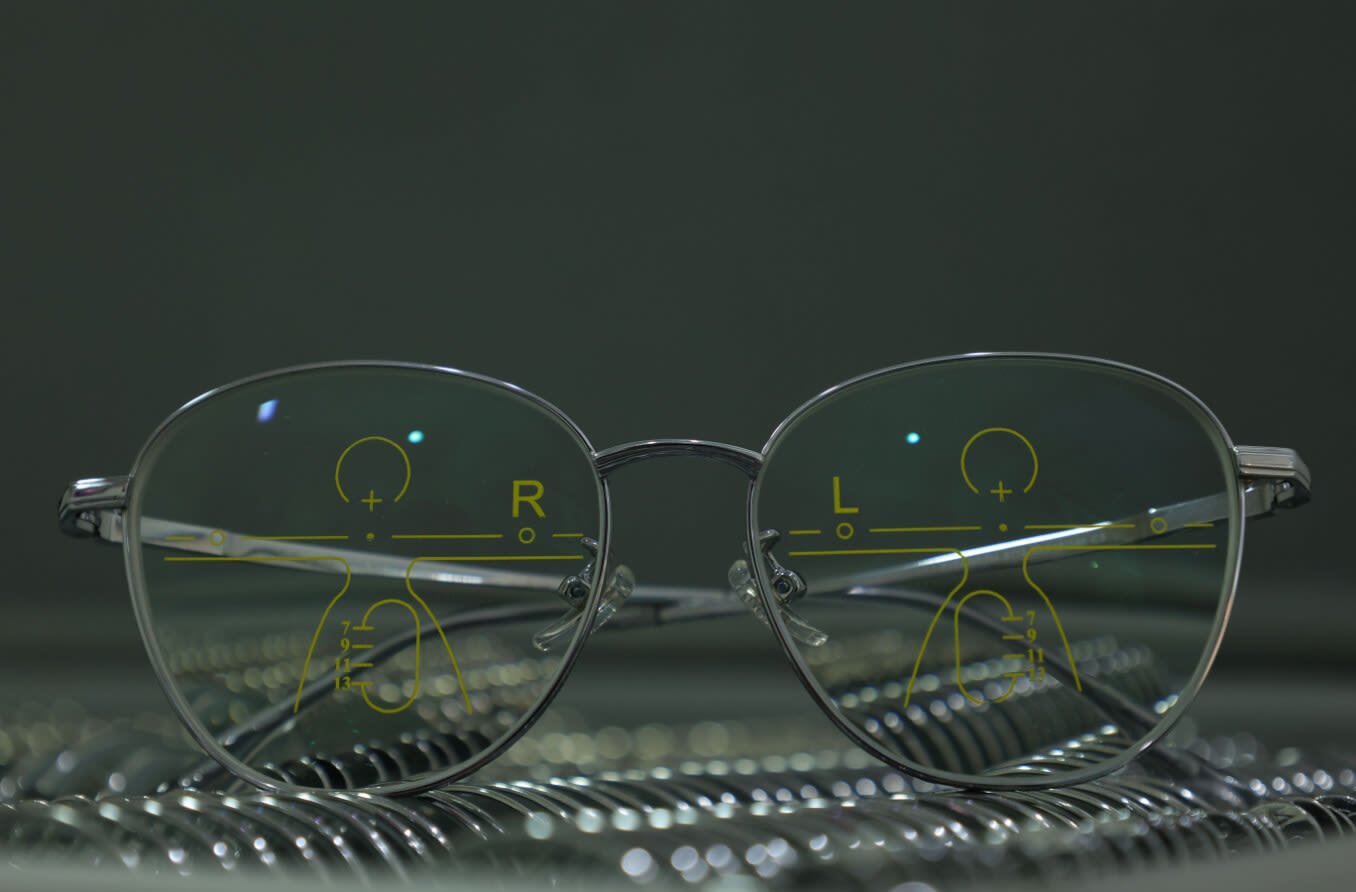
Progressive lenses (often called “no-line bifocals”) are the modern standard for correcting presbyopia. Unlike traditional bifocals that have a visible line and a sudden “jump” in vision, progressives provide a smooth, continuous gradient of power.

How They Work

  • Top Zone: Optimized for distance vision (driving, watching a movie).
  • Middle Zone: The “Intermediate” corridor, perfect for computer screens and car dashboards.
  • Bottom Zone: Enhanced magnification for reading and close-up tasks.

Presbyopia Options

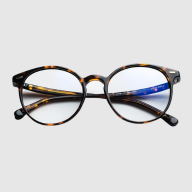
Progressive Lenses

Monovision Contact Lenses

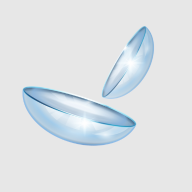
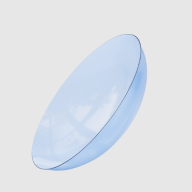
Multifocal Contact Lenses.

Multifocal Contact Lenses: The All-In-One

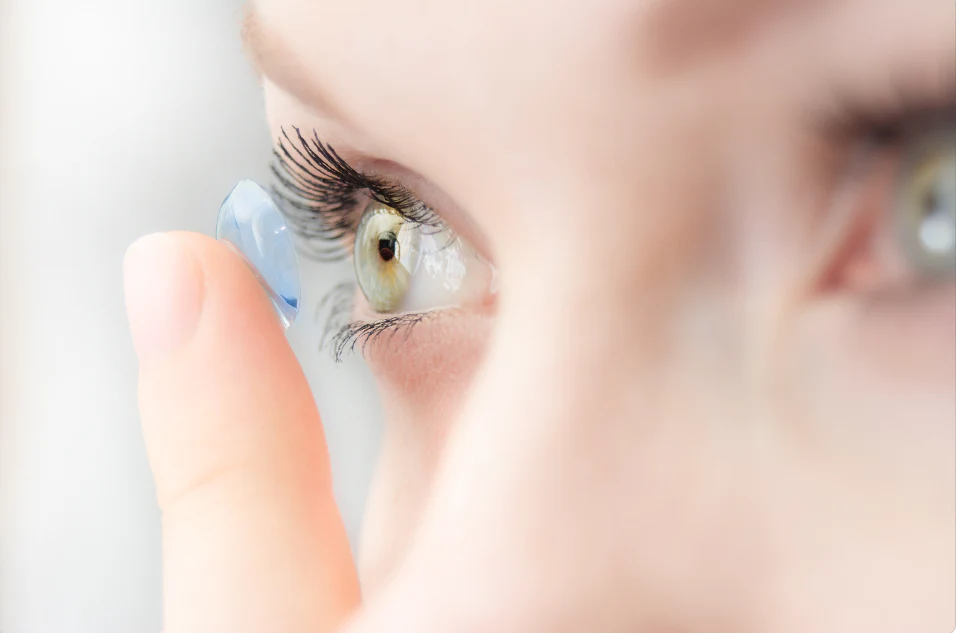
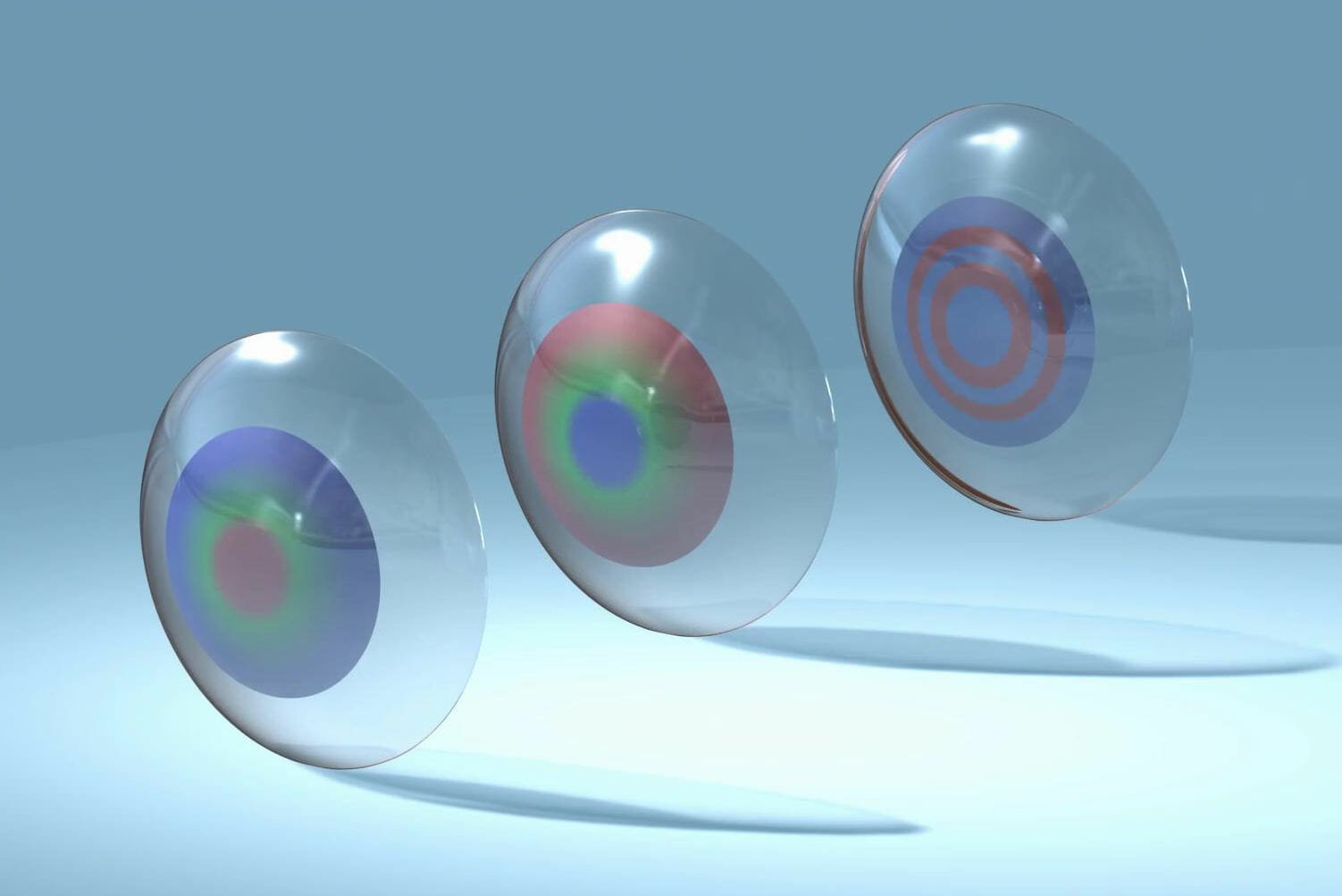
Multifocal contacts work similarly to progressive glasses but sit directly on the eye. How they work: These lenses use "simultaneous vision" technology, featuring different zones of power (concentric rings or aspheric designs). Both near and far images are presented to the eye at the same time, and your visual system automatically chooses the right focus.

Monovision: The Balanced Approach

In a monovision setup, we fit your dominant eye with a lens for distance and your non-dominant eye with a lens for near vision. Your brain naturally learns to select the clearer image depending on where you are looking. It is a highly effective and popular way to maintain clear vision without bifocals.

Related Products

The Pinhole Effect Explained

Think of looking through a tiny hole in a sheet of paper — the image appears sharper because scattered light rays are reduced. Presbyopia eye drops create a similar pinhole effect naturally inside your eye by constricting the pupil. This improves focus for near tasks like reading messages, menus, or labels, without significantly disturbing distance vision in normal daylight conditions.

What You Need to Know

Duration: Effects typically begin within 15 minutes and last about 6–10 hours.

Best Candidates: Most effective for mild to moderate presbyopia (ages 40–55).

Low-Light Caution: Smaller pupil size may reduce night vision; avoid before night driving.

Possible Side Effects: Mild headache or brow ache during early use.

Consultation Required: Must be used after a professional eye examination.
Is It Right for You?

Our qualified optometrists can evaluate your eye health and visual needs to determine if presbyopia eye drops are suitable for you. They are often recommended as a lifestyle option for days when you prefer not to wear glasses, rather than a permanent replacement for corrective lenses.

Experience the Difference for Free!

Not sure which option suits your lifestyle? Vision Plus provides a Free Trial for both Monovision and Multifocal contact lenses. Let our experts help you find your perfect fit.